Reducing barriers to access for small businesses
Small businesses across much of Minnesota qualify for a suite of programs and incentives designed to encourage energy efficiency and clean energy, but many lack the resources, knowledge, or capital to take advantage of them. Businesses in areas impacted by systemic racism and disinvestment face even greater challenges.
In order for a small business to identify, develop, and implement a clean energy project (such as a lighting retrofit, HVAC upgrade, or solar installation), they have to overcome many barriers: figuring out what technology and product to use, finding a qualified contractor who will offer a fair price, completing complicated rebate paperwork, and qualifying for a loan if they don’t have the upfront capital (and many don’t).
SBEEDi makes clean energy easier for businesses to access by convening partners with a shared interest in advancing decarbonization efforts and helping small businesses not just survive, but thrive.

Tapping into the expertise of community-based organizations
At the core of the SBEEDi model is the role of community-based organizations (CBOs) that serve small, BIPOC- and immigrant-owned businesses in the Twin Cities. These organizations offer critical assistance to small businesses by providing loans, training, and direct business support. They are deeply familiar with the challenges that business owners in their communities face on a day-to-day basis, and they’ve earned the trust of their clients.
SBEEDi focuses on building capacity in CBOs, coaching staff to become savvy navigators of the clean energy economy. With this support, these organizations will be well-positioned to offer direct pathways for businesses to access technical assistance, business advising, and flexible capital for clean energy projects.
SBEEDi assists CBOs to leverage the existing network of utility-funded programs and an array of local, state, and federal climate incentives available in the Twin Cities. Small businesses are more likely to hear about and utilize these resources when they are delivered in partnership with the business advisors they know and trust. By collaborating with local CBOs, energy programs can have a much wider reach.
Expanding the utilization of
existing programs and partnerships
SBEEDi partners include Energy Smart, a program of the Minnesota Chamber of Commerce that offers free energy assessments and technical assistance for small businesses, and Partners in Energy, a community planning initiative of Xcel Energy with support from the Center for Energy and Environment.
Our goals
In 2025 and 2026, the SBEEDi team is pursuing three primary goals:
1.
Build capacity within 3-4 CBOs to prepare and launch energy-related programs.
2.
Support engagement efforts in multiple communities that lead to 200+ businesses receiving energy assessments and 80+ businesses taking action.
3.
Capture lessons learned and use them to inform the creation of replicable program models that can be shared with other communities.
Building a model for providing technical assistance that combines the energy resources offered by utility programs and the business expertise of CBO staff.
Developing training modules for CBOs to understand the clean energy landscape.
Supporting CBOs to engage their businesses in clean energy opportunities.
Recruiting qualified vendors for an easy-to-access list to share with businesses.
Advising community-based lenders to create affordable green loan products that work for small, undercapitalized businesses.
Capturing and sharing the success stories of small businesses who take action.
IN PURSUIT OF THESE GOALS
WILLIAM WEBER CONSULTING
GREAT PLAINS INSTITUTE
LAKE STREET COUNCIL
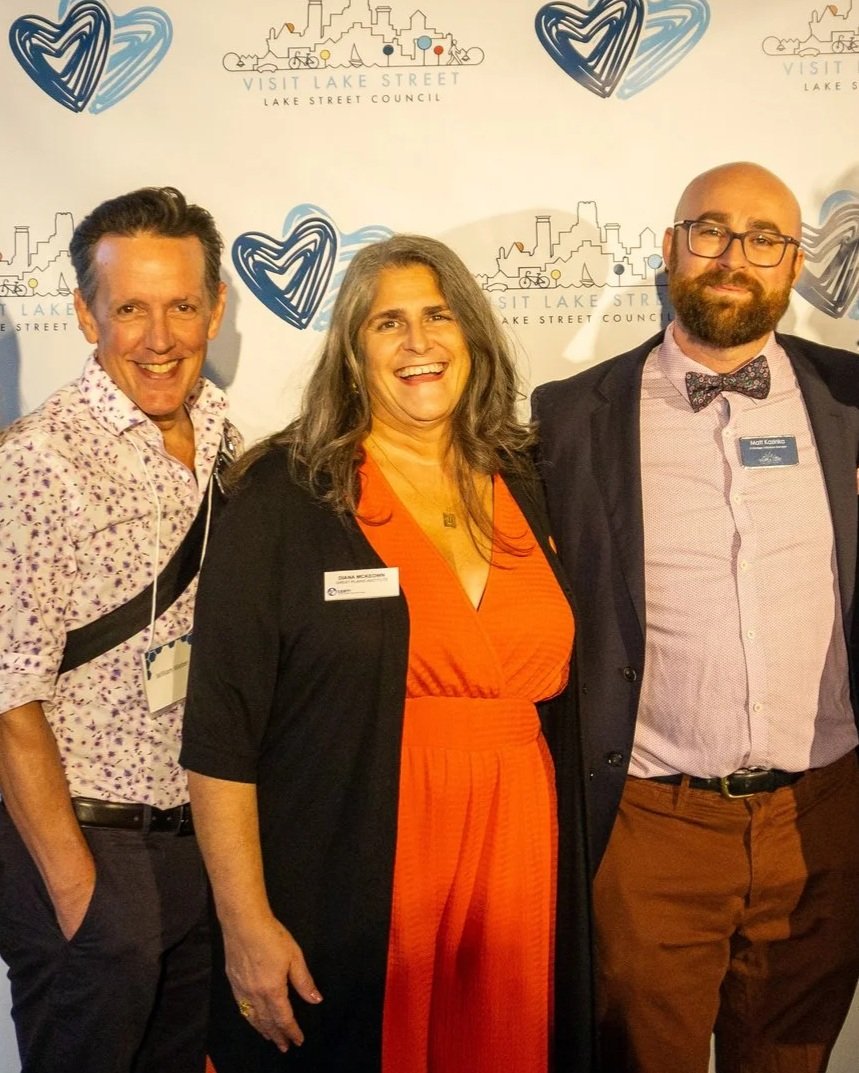
SBEEDi is a joint project of Great Plains Institute, William Weber Consulting, and the Lake Street Council, and currently focuses on disadvantaged communities in the Twin Cities of Minnesota.